The digital world moves fast. One day there is a new algorithm, and the next day generative AI changes how we write. For many businesses, it feels like a non-stop race to stay relevant. This often leads to chasing trends, which burns through budgets without showing real results.
This guide skips the short-lived tricks to focus on five resilient digital marketing strategies. These are the evergreen tactics that have built successful empires over the last decade. By focusing on what actually lasts, a philosophy we believe in at DigiDesire, you can stop reacting to the noise. Instead, you can build a marketing engine that drives sales and stands the test of time.
In a world full of average, AI-generated content, quality and trust are more important than ever. The first proven tactic is establishing your brand as a trusted expert. Content isn’t just about filling pages; it is about answering customer questions better than anyone else.
E-E-A-T and Search Intent: Building Trust
Search engines prefer content that shows E-E-A-T (Experience, Expertise, Authoritativeness, and Trustworthiness). This goes beyond just listing sources.
This method matches “search intent.” This means your content must give the user exactly what they are looking for, whether it is an answer or a product to buy.
The Power of Evergreen Content
The best content is “evergreen,” meaning it stays useful for years. Instead of writing about news that gets old fast, focus on:
These types of content act like magnets for visitors and save you time because you don’t have to keep writing new things every day.
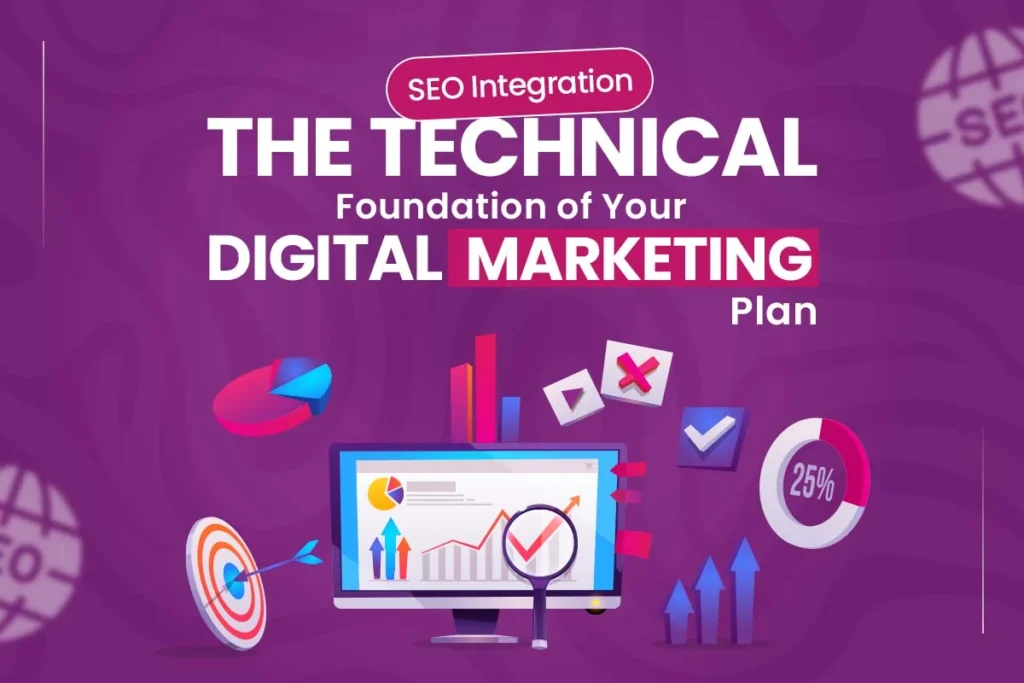
SEO (Search Engine Optimization) is often seen as a writing task, but it is actually a technical job. It is the blueprint of your website. Without a strong technical foundation, even the best content will fail to rank.
Speed and Experience: Core Web Vitals
Google uses metrics called “Core Web Vitals” to measure user experience. This includes how fast your page loads and how stable it is visually. If your site is slow or hard to use on a mobile phone, people will leave immediately. Fixing your speed is a non-negotiable tactic.
Schema and Structured Data
“Schema markup” is a type of code that labels your content for search engines. For example, it tells Google, “This text is a product price” or “This is a star rating.”
Using this code helps your website show up with extra details in search results (Rich Snippets). This makes people more likely to click on your link. To handle this properly, partnering with a digital marketing agency like DigiDesire can ensure your technical setup is perfect.
Social media channels are owned by other companies, but you own your email list completely. Email marketing consistently gives the highest return on investment (ROI). On average, for every $1 you spend, you get $36 back.
Segmentation: Sending the Right Message
The days of sending one generic email to everyone are over. Effective email marketing uses “segmentation.” This means dividing your list based on what people like or what they have bought. This allows you to send personal messages, which improves your sales.
Automation and Lifecycle Management
Automation systems let you send emails based on user actions:
These automatic emails keep your brand in front of the customer at the most important times.
While SEO builds long-term authority, Pay-Per-Click (PPC) ads give you immediate access to customers who are ready to buy. PPC is a key part of a good strategy, often best managed by a Google Ads agency in Dubai to put you at the top of search results instantly.
Maximizing Quality Score
Google has a metric called “Quality Score.” It measures how relevant your ads and website are. If your score is high, Google charges you less for ads. Therefore, PPC management isn’t just about spending money; it is about being relevant.
Retargeting: Capturing the Lost 98%
Most visitors leave a website without buying anything. “Retargeting” is the process of showing ads to these specific users after they leave. Because these people already know your brand, they are much more likely to come back and buy.
You cannot improve what you do not measure. A complete audit cycle involves:
This data-first approach ensures you aren’t just doing marketing tasks, but actually making a profit
The digital market changes rapidly, but lasting success comes from principles that don’t change. Content Authority, Technical SEO, Email Marketing, Strategic PPC, and Data Analytics are the pillars of a strong online presence.
By using these strategies in a clear plan, your business can move beyond short-lived fads and build true value. For expert help in building your next digital marketing plan, contact DigiDesire today.



Damac Executive Heights - 19th Floor Al Khareef 1 St - Al Thanyah First - Barsha Heights - Dubai
133 5th Ave S, Shelby, Montana 59474, United States
Office # 701, 7th Floor, Razi Tower, BC-13, Block 9, Clifton, Karachi.
Damac Executive Heights - 19th Floor Al Khareef 1 St - Al Thanyah First - Barsha Heights - Dubai
Melbourne CBD 440 Collins St, Melbourne VIC 3000, Australia
Office # 701, 7th Floor, Razi Tower, BC-13, Block 9, Clifton, Karachi.


